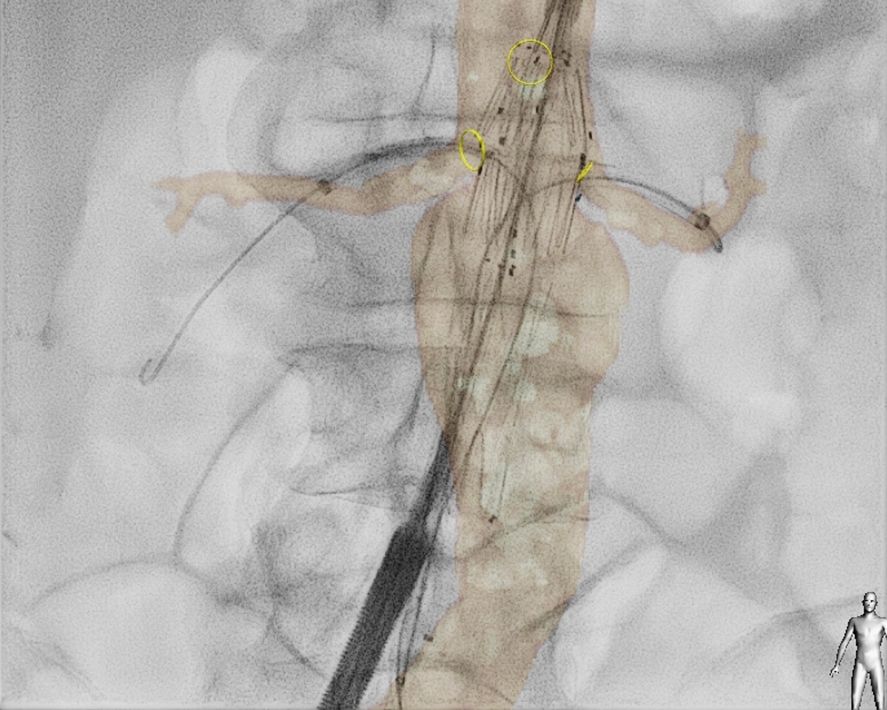
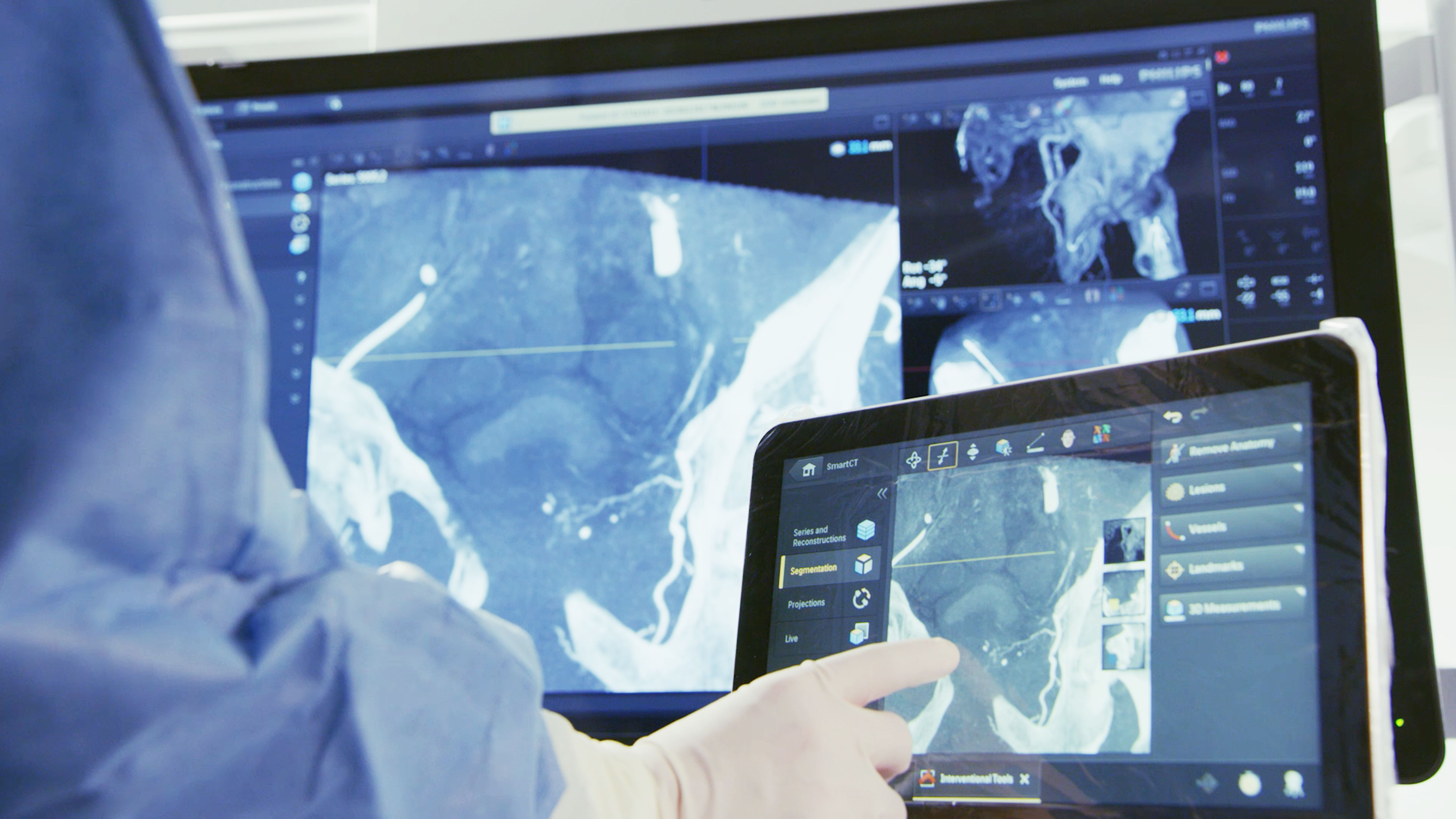
Endovascular treatments of aortic diseases are becoming longer and addressing more complex anatomy. Radiation and contrast medium usage are a concern, specifically for elderly and health-impaired patients. Contrast-induced nephropathy (CIN) has been associated with an increase in complications and prolonged hospital stay.[4] At the same time, modular stents are replacing expensive tailored stents to increase availability and cost-effectiveness of suitable grafts. Integrated imaging modalities are driving higher precision in treatment planning, guidance and follow-up.